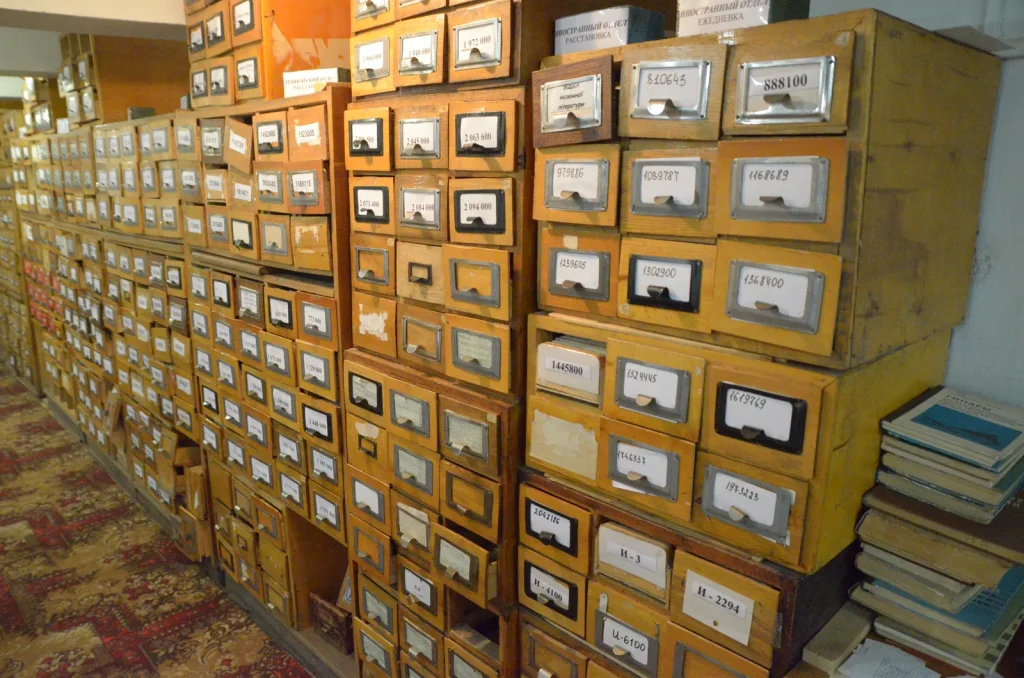
Data brokers are companies that collect personal information from many sources, combine it into profiles and sell or share it with others, usually without any direct relationship with the people described. They exist in many countries, though the rules that govern them vary widely. You cannot fully avoid them, but you can reduce what they hold and make their profiles less accurate and less useful.
What data brokers do
Think of a broker as a middleman for information. It buys, scrapes or licenses records from other organisations, matches them to the same person, and packages the result for customers. Those customers might be advertisers, marketing firms, insurers, employers running checks, or lookup websites where anyone can search for a name. The exact mix depends on the broker and on local law.
The profile they assemble is often a patchwork. It may be partly wrong, outdated or mixed up with someone who shares your name, which is part of why it can be both invasive and unreliable.
Where the information comes from
Brokers typically draw on a mix of sources:
- Public records, such as property records, court filings, professional licences and voter or electoral registers, where these are public in your country.
- Commercial data, such as purchase histories and loyalty-scheme records, passed on by businesses whose terms allowed it.
- Online activity, gathered through cookies, apps and trackers. Our post on how websites track you describes the methods.
- Sign-ups and surveys, including warranty cards, competitions and quizzes where you supplied details.
- Social media and other public profiles, especially information you have set to public.
- Other brokers, since data is regularly traded between them, which is why removing it from one place does not always end the matter.
What a profile can contain
Depending on the broker and the region, a record might include your name, past and current addresses, phone numbers, email addresses, age range, household members, estimated income band, interests, shopping habits and inferred traits. Some of it is stated fact, and some is guesswork derived from patterns. Treat the inferred portion with caution, because it is not necessarily accurate.
Why it matters
Targeted scams and impersonation
Detailed personal information makes a scammer’s message more convincing. A caller who knows your address and a relative’s name sounds more trustworthy. That is one reason we suggest limiting what is out there, and learning to spot attempts using our guide to phishing emails.
Unwanted marketing
Junk mail, nuisance calls and unwanted emails often trace back to lists that circulate between companies.
Personal safety
People-search sites can make home addresses easy to find. For anyone concerned about harassment or stalking, this deserves attention. If you feel unsafe, contact local support organisations or the authorities, who can advise on steps suited to your situation.
Breach exposure
The more places that hold your data, the more places that can leak it. Brokers are not immune from security failures.
What you can do about it
- Find out what exists. Search for your name, address and phone number, and note which people-search or lookup sites show you.
- Use opt-out and removal forms. Many brokers and people-search sites offer a way to request removal. The process can be slow and may need repeating, because records can reappear. Use the site’s official request page and be wary of anything asking for more information than it needs.
- Use your legal rights where they exist. Some regions give you rights to see, correct or delete personal data, or to opt out of its sale. These differ by country and sometimes by state or province, so check the rules where you live.
- Be careful before paying a removal service. Some do the repetitive work for a fee. Compare what they promise with what you can do yourself, and read their privacy terms, since you would be handing them your details.
- Limit new data going in. Share fewer details when you sign up, skip optional fields, use a separate email address for shopping, and decline loyalty-scheme data sharing where you can.
- Tighten account and app settings. Review profile visibility and what apps can access, using our social media privacy checklist as a guide.
- Use tracker protection. Blocking third-party cookies and tracking scripts cuts off a major supply line.
Where a VPN fits
A VPN hides your IP address and encrypts traffic between your device and the VPN server, which can limit location-based profiling and protect you on untrusted networks. It does not remove information that brokers already hold, nor information collected through your accounts and purchases. Consider it a supporting tool, not a solution.
A realistic expectation
Opting out is closer to housekeeping than to a single decisive action. Records get refreshed from fresh sources, so a yearly check is a reasonable routine. Even partial progress helps, because every removed profile is one less place for your details to be sold or leaked.
Where to start
Search for yourself, pick the three most prominent sites that list your details, and submit their official removal requests. Then trim the data you give out from here on. You will find related guidance across our Online Privacy section.
Frequently asked questions
Are data brokers legal?
In many places they operate legally, but the rules differ by country and region. Check the privacy laws that apply where you live.
Can I get my data removed from a broker?
Often you can request removal through the broker's own opt-out form, though records can reappear later. Some regions also give you legal rights to deletion.
How do data brokers get my information?
They combine public records, commercial purchase data, online tracking, sign-ups and information bought from other brokers.
Does a VPN protect me from data brokers?
Only partially. It hides your IP address, but it does not remove data already collected or stop tracking tied to your accounts.